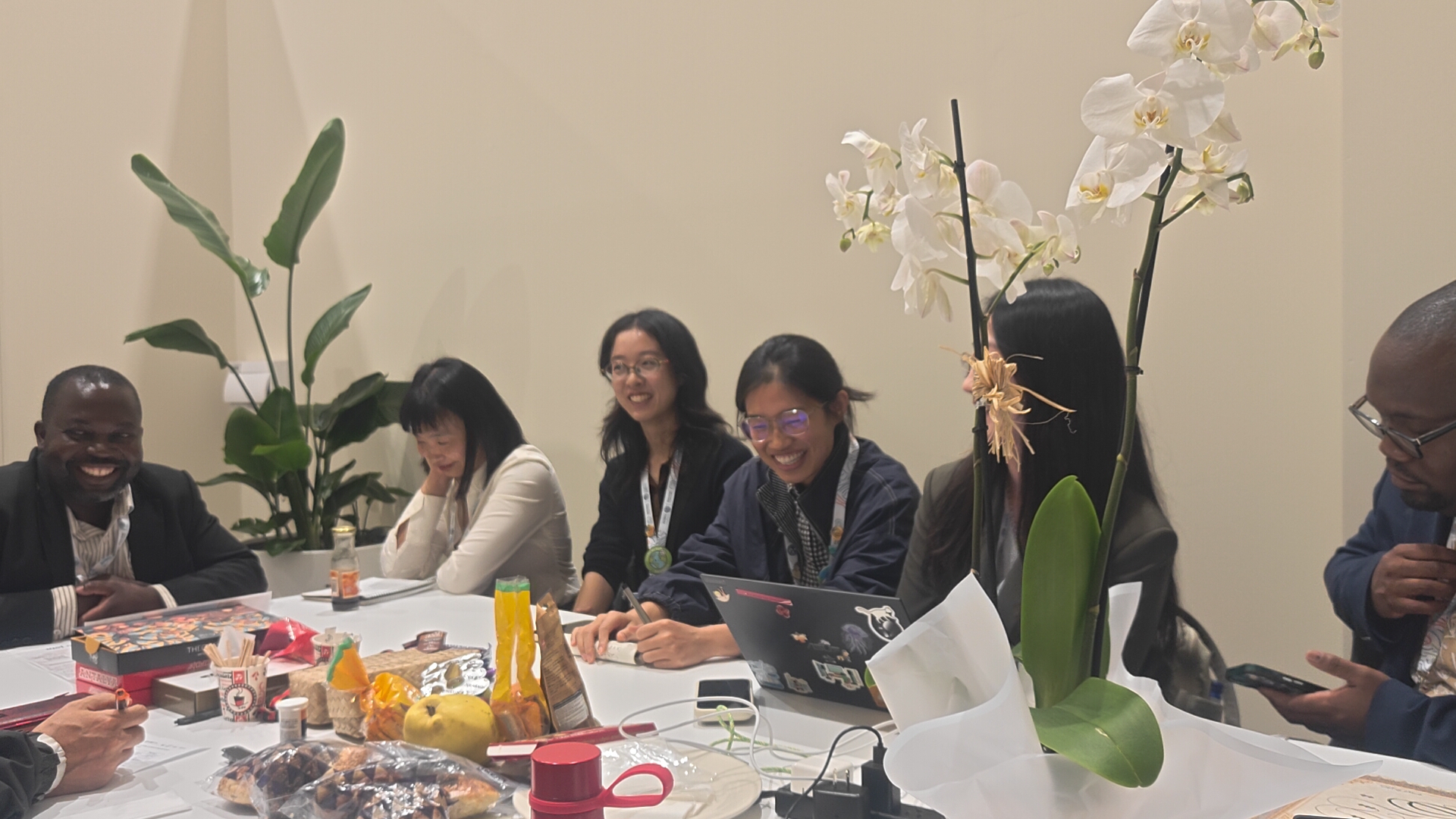
Antalya, 13 November. At COP31, a China–Africa Civil Society Dialogue was held in the Blue Zone. It was jointly initiated by Green Camel Bell, Southern Africa Resource Watch (SARW) and China Development Brief. Participants included environmental groups, research institutes, community development organizations, lawyers and think tanks from China, Africa and Europe. They discussed the environmental and social impacts of Chinese-invested mining projects, opportunities for civil society cooperation, and follow-up actions.
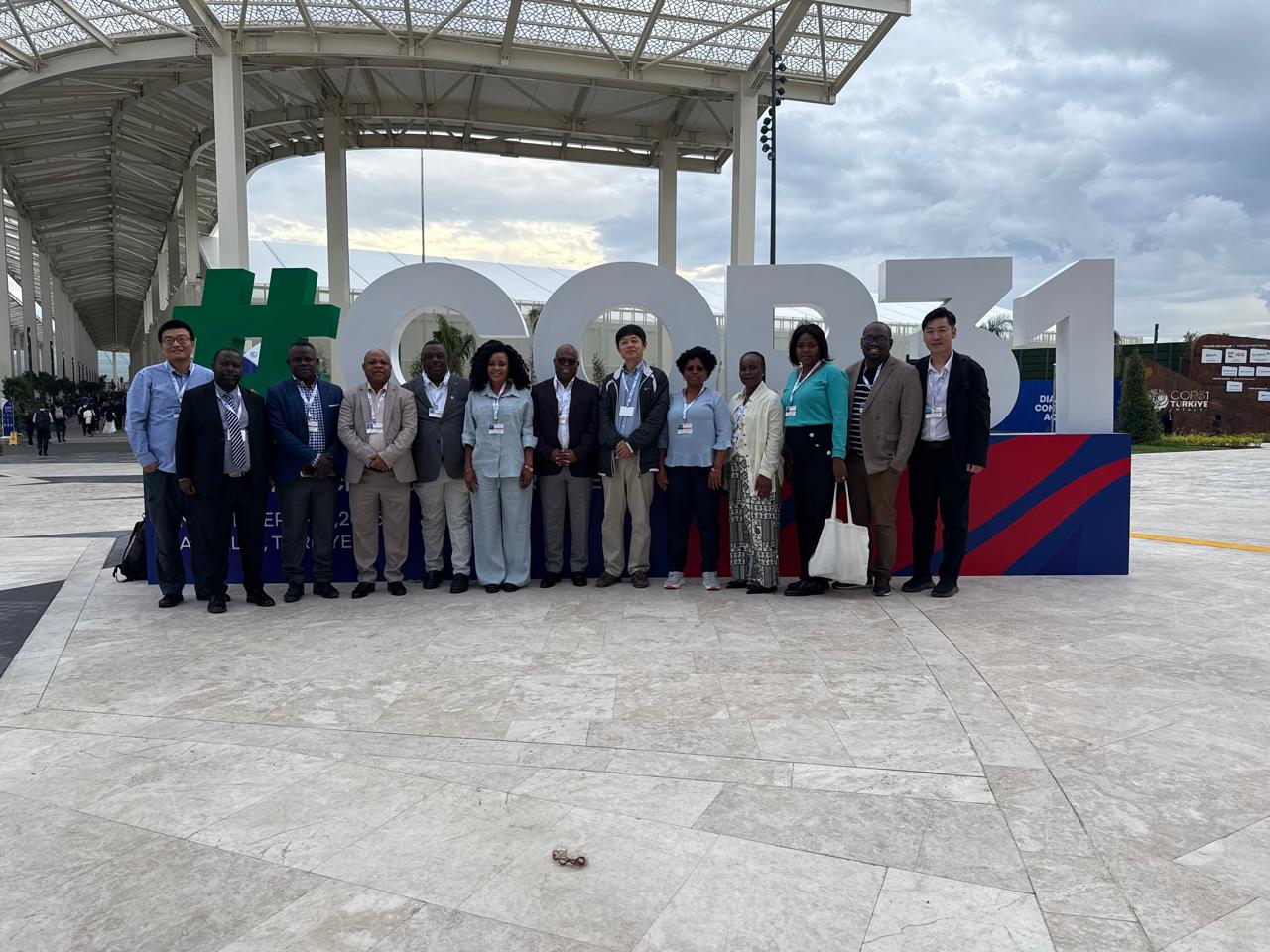
 Africa’s perspective. Davie Malungisa, Senior Advisor at SARW, who chaired the meeting, said Africa has long exported raw ores and imported finished goods, so much of the value of its minerals flows out of the continent. He noted that around 90% of global mineral processing takes place in China, while the US and Europe are pushing to diversify supply chains and turn to Africa for raw materials. Some mining companies, especially Chinese ones, still have problems with environmental protection, human rights and labor relations. He added that communities often lack proper environmental impact assessments and free, prior and informed consent, and that greenwashing and strategic lawsuits against critics also occur.
 “Africa can hardly bring about change on its own without the participation of Chinese civil society.”
 What Chinese participants said. A think tank researcher who studies Chinese overseas investment said companies going abroad face more approvals and community engagement procedures, but are often unsure what to do. Listed companies usually publish one consolidated ESG report, which makes overseas projects hard to trace. China also has no official public platform on overseas investment projects, so research relies on third-party databases. Many companies and financial institutions have not set up proper grievance mechanisms, though they say they want to learn how to respond to complaints and engage communities. A community development organization from southwest China shared its experience of bringing companies and communities together through multi-party dialogue and company-funded community projects. One participant, a former Chinese government official in foreign aid now working in the private sector, said there are about 2 million Chinese people in Africa, roughly one-tenth of them with state-owned enterprises and the rest mostly private.
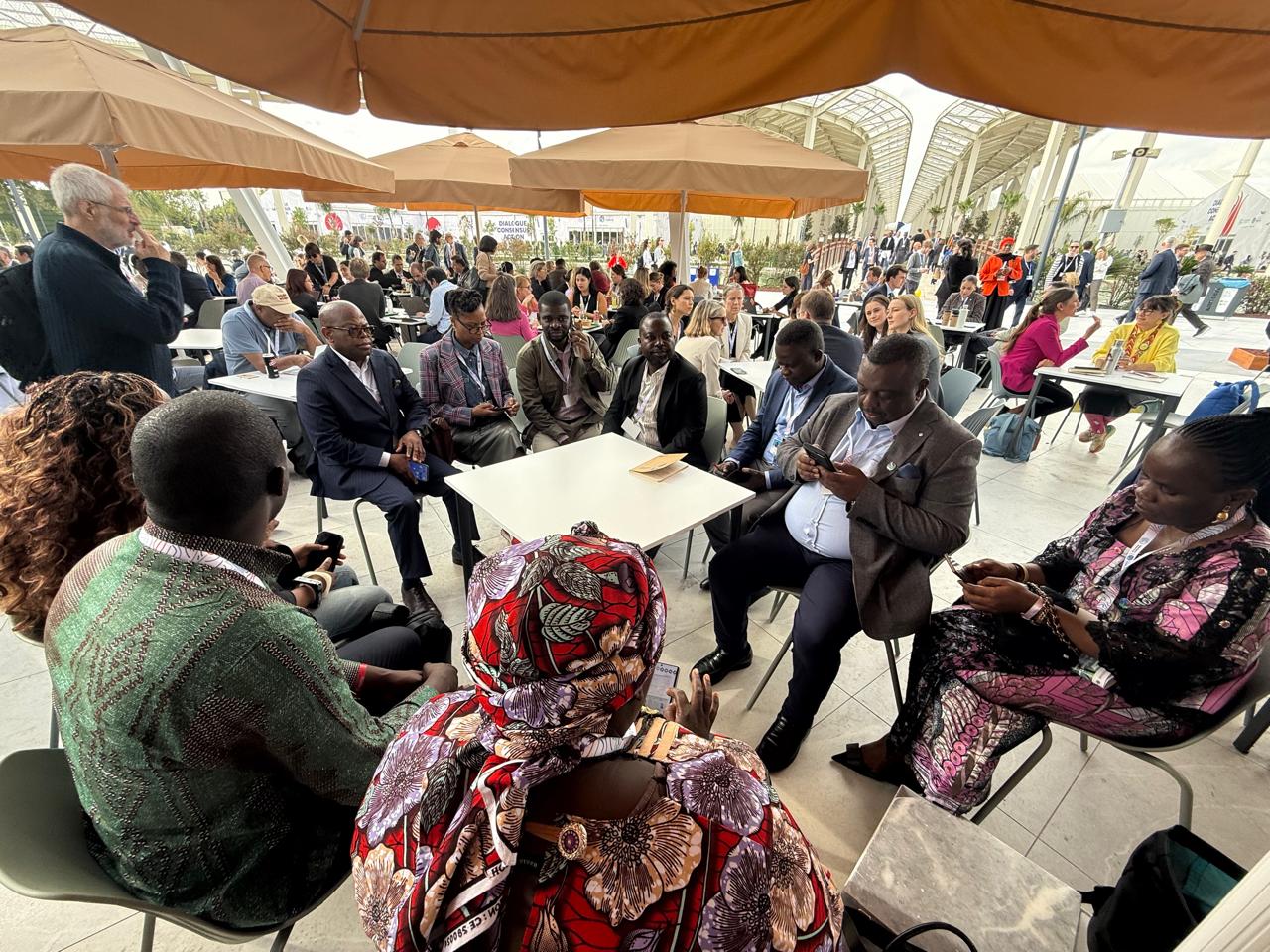
 Ways forward. Participants agreed that Chinese and African civil society should first build trust and exchange information, then carry out capacity building for companies and host-country communities. They also want to learn from each other’s experience in evidence-based advocacy, grievance mechanisms and legal remedies. SARW said its mining accountability mobile app lets communities report problems, and that it is ready to work with Chinese partners.
 Looking ahead, participants said COP32 next year is expected to be held in Africa, and the Forum on China–Africa Cooperation will also take place in Africa. They plan to use both as opportunities to continue the exchange and push joint action.