

 Whose energy transition is it? Young scientists and global voices at COP31
On 10 November in Antalya, the side event “Young Scientists from the Global South: Connecting Science, Communities and Policy” took place at COP31. Government representatives, scholars and civil society discussed climate resilience and responsible minerals. It was organized by the World Federation of Young Scientists and co-hosted by Gansu Green Camel Bell Environmental Development Center, China Development Brief and Southern Africa Resource Watch. The session ran in English with Chinese interpretation.
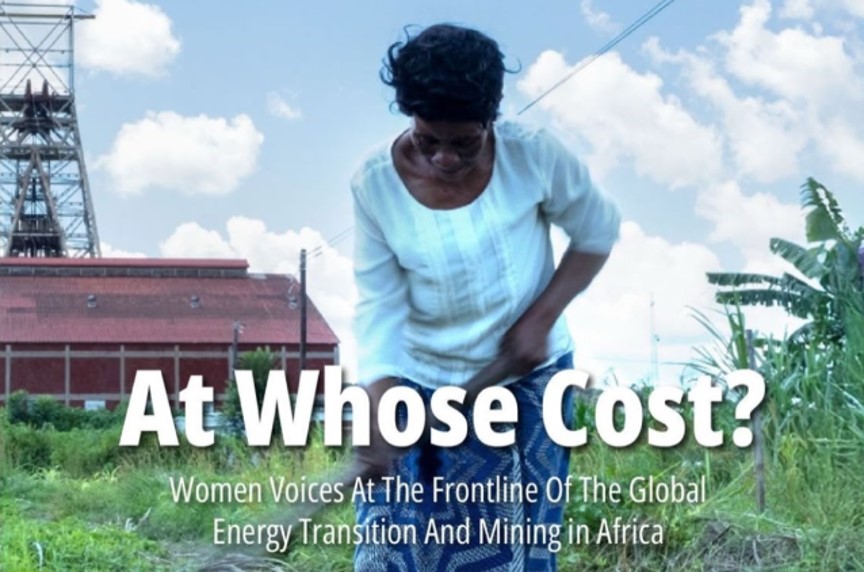
 Opening: The film At Whose Cost showed coal-mining communities in Mpumalanga, South Africa. Residents described near-daily blasting, lost farmland, repeated forced relocations and dwindling water.
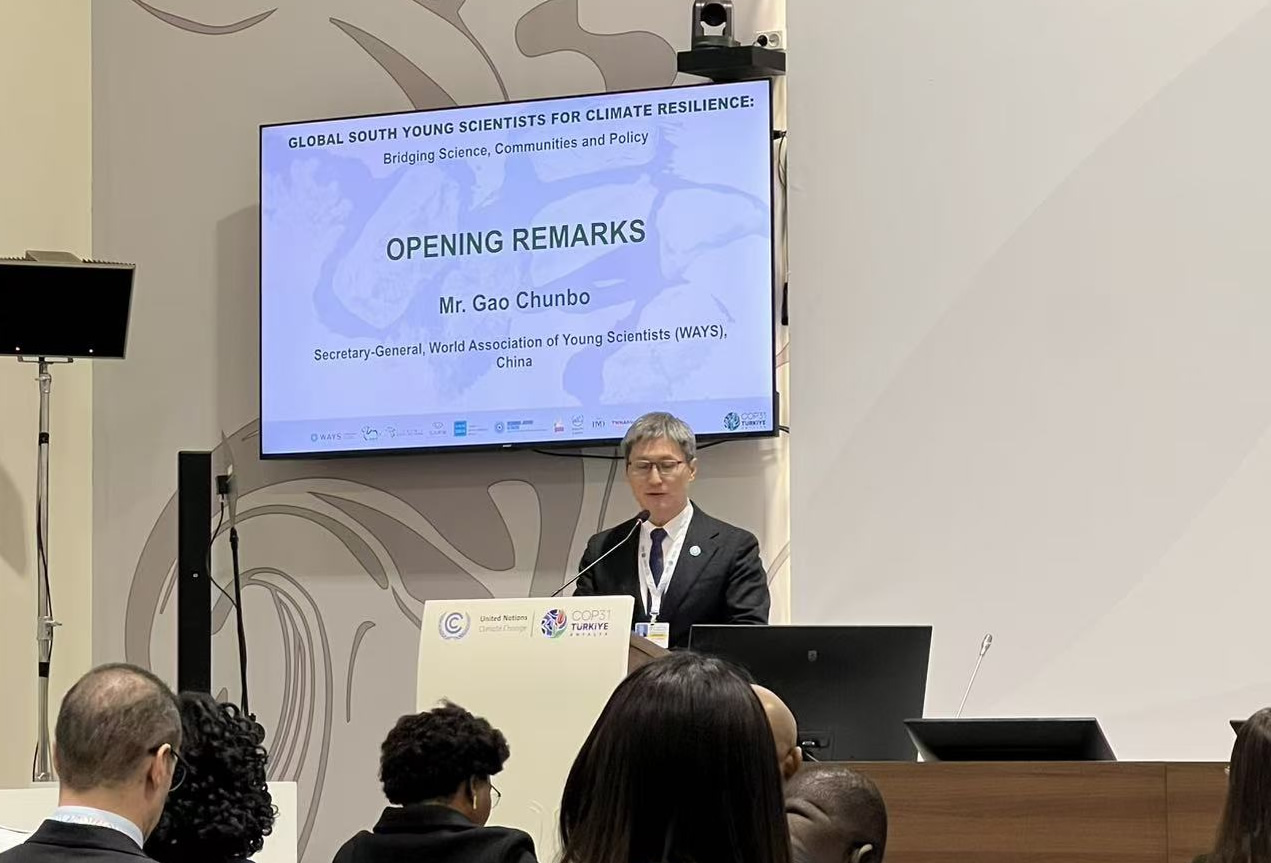
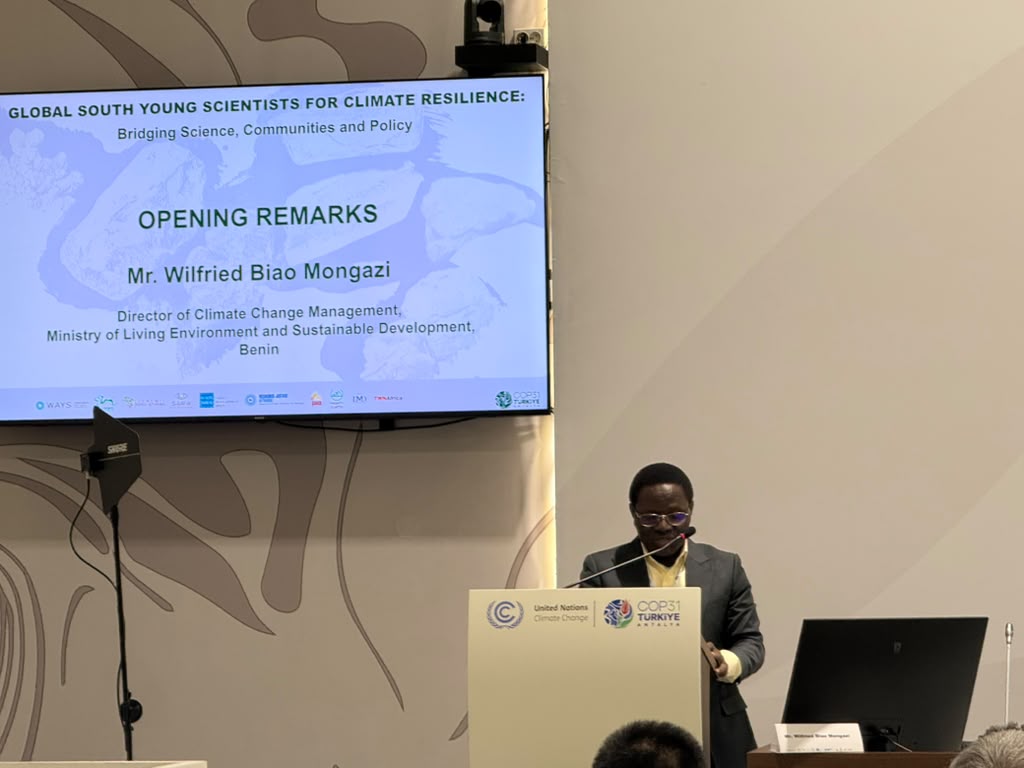
 Opening remarks: Gao Chunbo of the World Federation of Young Scientists said climate impacts are unequal. Science can provide answers, but we must also listen to local people, and the benefits of clean energy should reach local communities. Wilfried Biao Mongazi of Benin’s Ministry of Living Environment and Sustainable Development said young scientists are already key actors today. Science must inform policy, policy must respond to communities, and communities must be at the center of climate action.
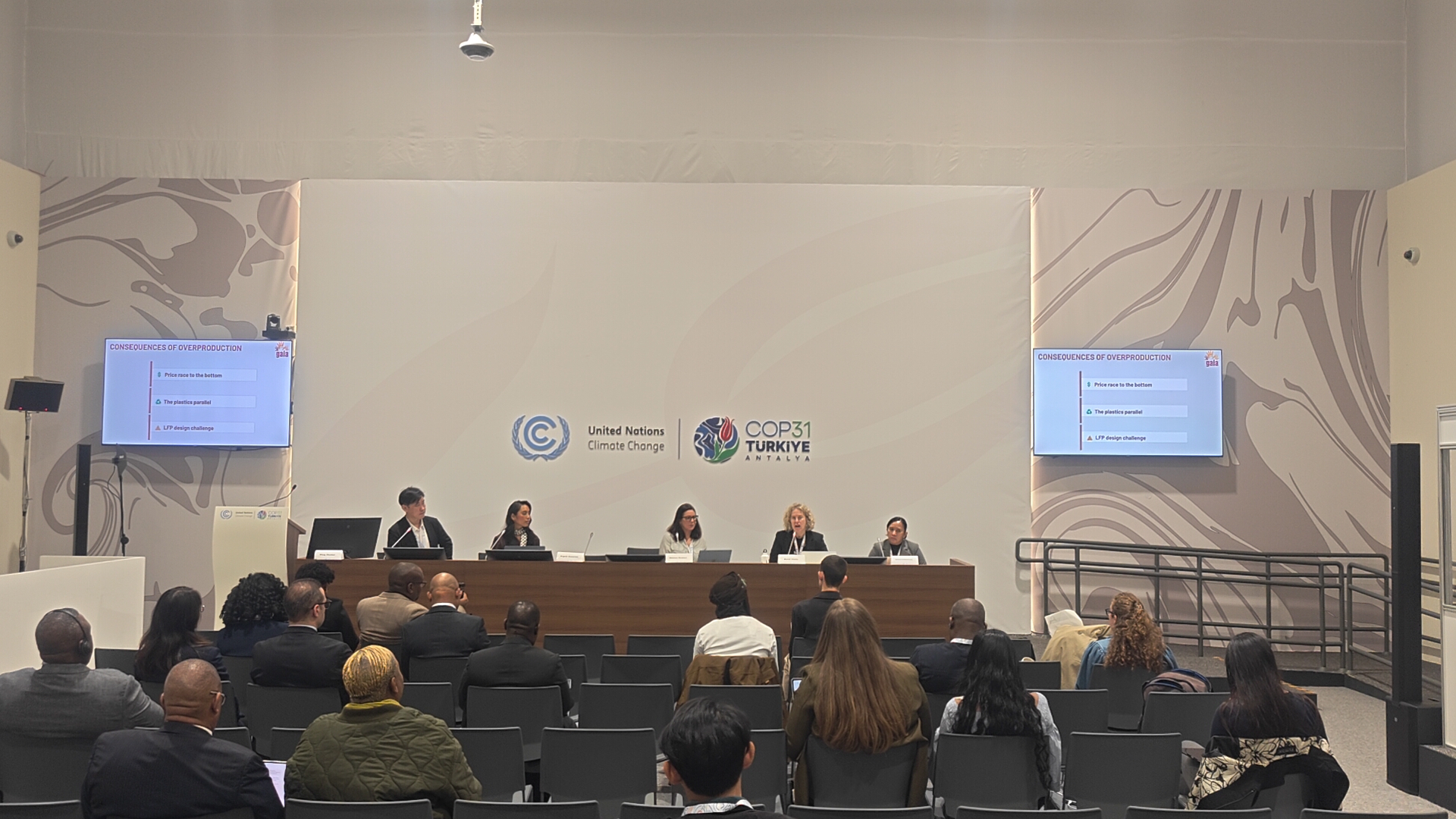
 Roundtable 1: Climate resilience, critical minerals and Global South communities
Angela Asuncion (Resource Justice Network) cited over 1,000 human rights violations linked to transition minerals since 2016. About 54% of transition minerals lie on Indigenous lands, and Asia-Pacific produces 54.6% of the world’s nickel and holds around 60% of its rare earths. Actors from 54 countries issued a joint call to put human rights at the core of transition supply chains.
Gemma Hoskins (Mighty Earth) said the automotive and stainless steel industries downstream of nickel must take greater responsibility. In many places, almost no environmental impact assessment is done before mining starts. She pointed to less reliance on virgin minerals, more recycling and better material efficiency.
Mariel Vilella (GAIA) noted that lithium-ion battery capacity is 2 to 5 times actual demand. This depresses prices and makes reduce, reuse and repair economically unattractive. Zero-waste thinking must start at the design stage, not just at end-of-life recycling.
Meliana Lumbantoruan (Publish What You Pay Indonesia) said the public cannot see the supply chain, and beneficial ownership is not truly transparent. She called for a globally accessible framework and due diligence that protects, rather than criminalizes, defenders.
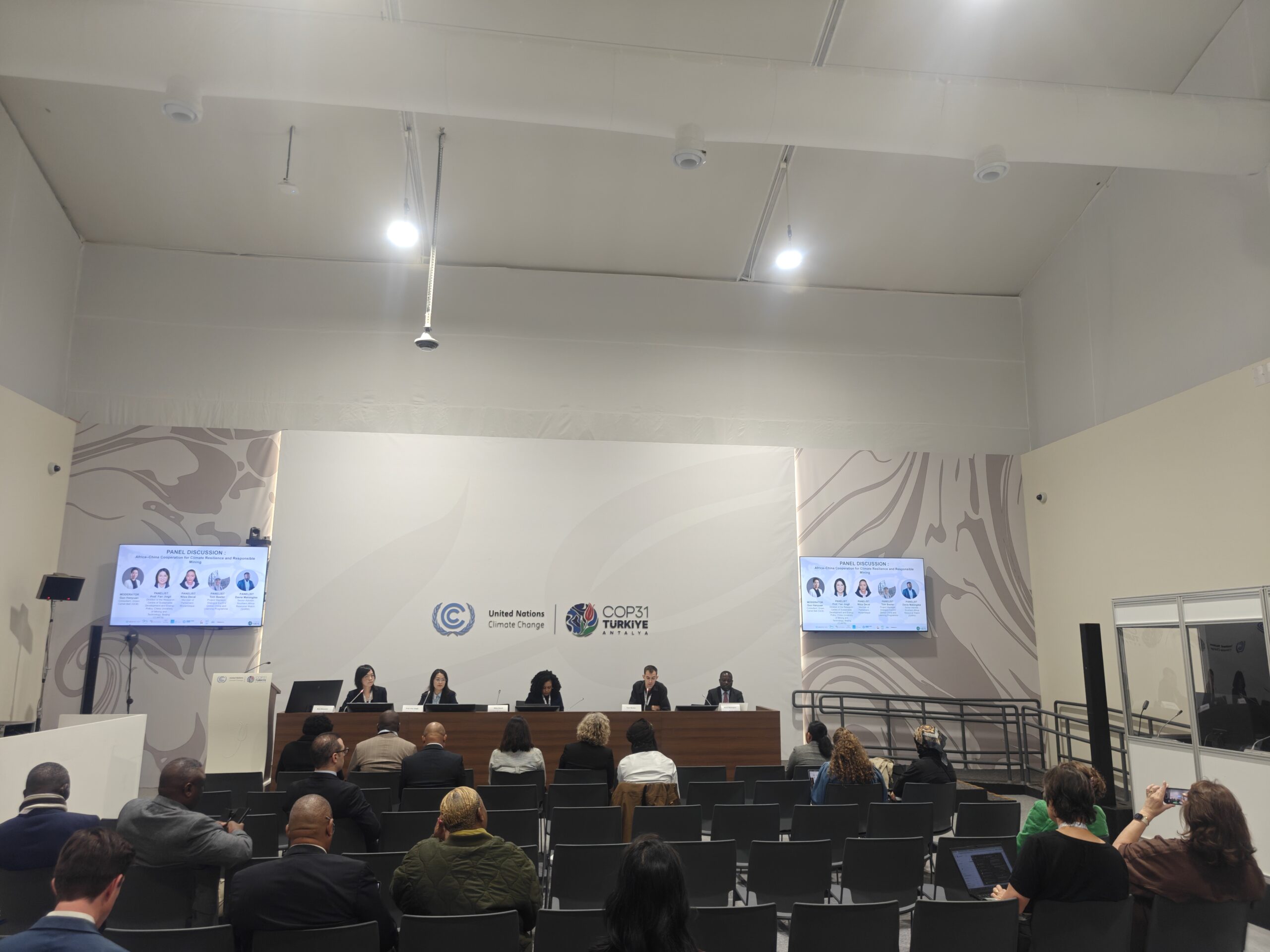
 Roundtable 2: China–Africa cooperation on climate resilience and responsible mining
Nilza Decal, Member of Parliament of Mozambique, said Africa’s bottleneck is governance, not resources. Stronger mining laws and negotiating capacity are needed to keep processing and value added in Africa.
Bai Rui (Dialogue Earth) reviewed five years of progress in China’s overseas investment standards, including a complaint mechanism for overseas mining and updated ESG guidelines. He stressed that without monitoring, the rules may stay on paper.
Davie Malungisa (Southern Africa Resource Watch / AMAP) presented the continental blueprint One Voice, One Strategy for African strategic minerals. He argued for a shift from exporting raw ore to regionally coordinated industrialization.
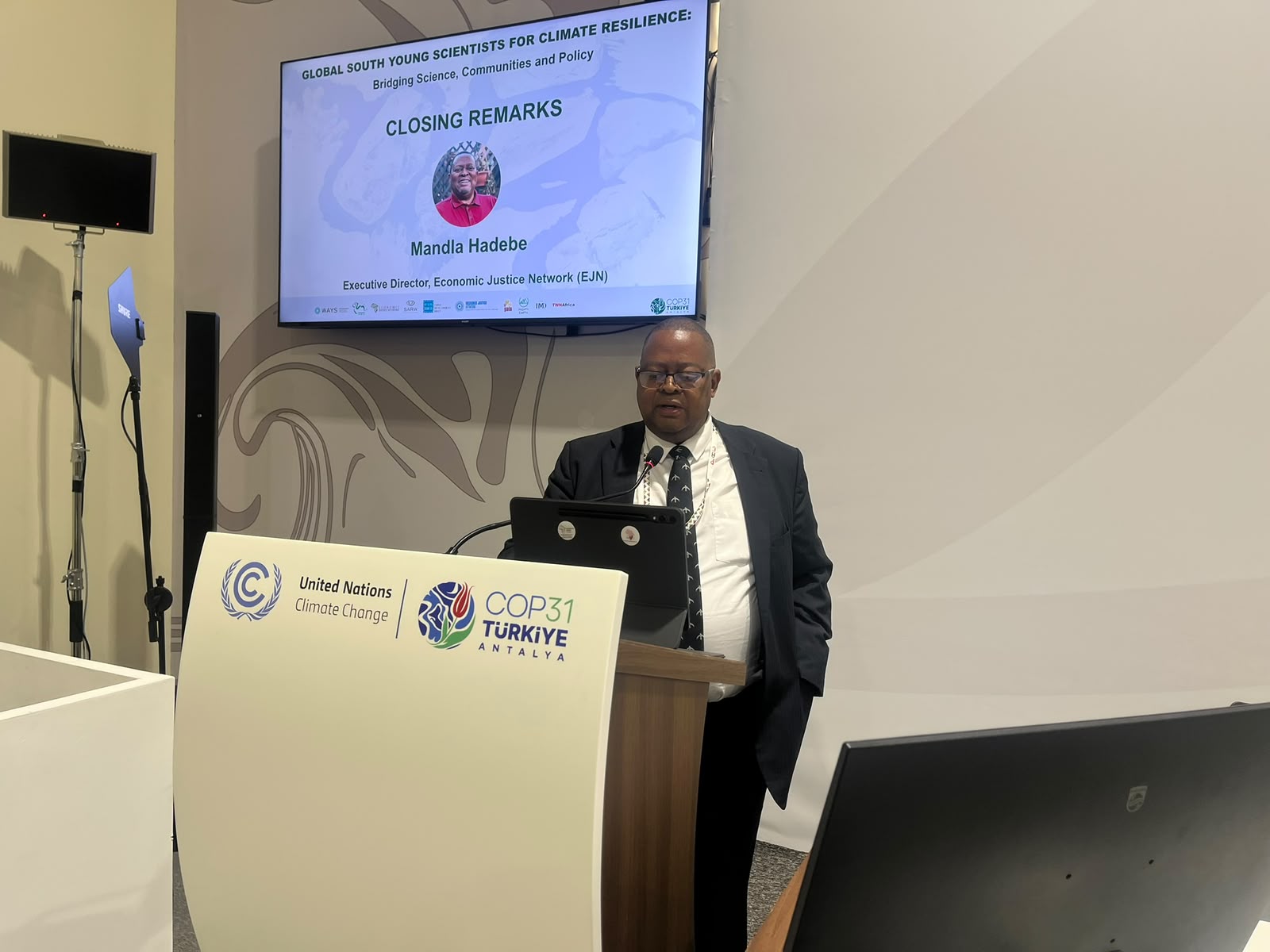
 Closing: Mandela Hadebe (Economic Justice Network) called on parliaments, academics, companies and civil society to each play their part. He urged Africa to move away from the “pit-to-port” model toward local value addition, and said Africa needs one voice, one strategy, and a blueprint designed by Africans. Partnerships must rest on mutual respect and shared prosperity.
This side event was recorded and is available for replay on the official UNFCCC YouTube channel: